Last updated: November 05, 2026
Quick Answer: If you need one number to start with, a CGM can show changes every few minutes, while a finger-stick meter gives a single snapshot; for Blood Sugar Monitoring and Pattern Management — The Complete Guide, the best choice is the one that answers your specific question. Blood Sugar Monitoring and Pattern Management — The Complete Guide works only when the numbers change what you do next. If you are checking glucose, but not using the readings to spot patterns, adjust food, activity, medication, or timing, you are collecting data without getting control. The real question is not “How often should I test?” It is “What should I do differently when the same highs and lows keep showing up?” For practical guidance, see the American Diabetes Association’s Standards of Care, the CDC diabetes pages, and the FDA’s consumer guidance on home glucose monitoring.
What blood sugar monitoring is supposed to tell you
Blood Sugar Monitoring and Pattern Management — The Complete Guide tells you when glucose is rising, falling, staying flat, or swinging hard after meals, overnight, with exercise, or after medication. Therefore, if your readings are being used to make decisions, then the right tool is the one that shows the pattern you need, not the fanciest device on the shelf. A finger-stick glucose meter gives snapshots. A continuous glucose monitor, or CGM, shows trends across 24 hours and can reveal overnight lows or post-meal spikes that a few checks miss. The American Diabetes Association’s Standards of Care are a good reference point for how monitoring fits into diabetes management. For more context, the CDC also explains how monitoring supports day-to-day diabetes care.
If you have type 1 diabetes, use insulin, or get unexplained lows, a CGM often gives more useful pattern data than occasional fingersticks. If you have type 2 diabetes and are not on insulin, fingersticks can still be useful, but only if they answer a specific question, such as “What does breakfast do to me?” or “Does a 20-minute walk after dinner lower my post-meal rise?” If you test randomly, you get random answers.
Here is the simplest way to think about the job of monitoring:
- fasting number: what your body is doing after an overnight fast
- pre-meal number: your baseline before food
- 1- to 2-hour post-meal number: how a specific meal affects you
- overnight or early-morning data: whether your basal insulin, evening food, or alcohol is pushing you low
- during or after exercise: whether activity is dropping you too far or improving control
Next, use this structure:
- Pick one question you want the numbers to answer.
- Choose the tool that captures that question: meter, CGM, or both.
- Record the reading with a time, meal, dose, and activity note.
- Repeat under similar conditions for at least 3 to 7 days.
- Look for the same pattern, not one strange reading.
- Change one variable at a time so you can see what actually helped.
A generic article will tell you to “monitor regularly.” That is too vague to be useful. Monitoring without a purpose is busywork. Therefore, the point is not the number itself; it is the decision it supports.
| Situation | Best Path | Why Other Options Fail |
|---|---|---|
| You want to know why mornings are high | Check overnight and fasting data for 3 to 7 days | Only checking after lunch hides dawn rise and nocturnal lows |
| You spike after meals | Compare pre-meal and 1- to 2-hour post-meal readings | Random daily checks do not identify the trigger meal |
| You get symptoms of lows | Use a CGM or confirm with a meter during symptoms | Guessing from symptoms alone can miss hypoglycemia or confuse it with anxiety |
Quick check: If your readings never lead to a decision, you are measuring glucose without managing it.
Which device should you use: meter or CGM?
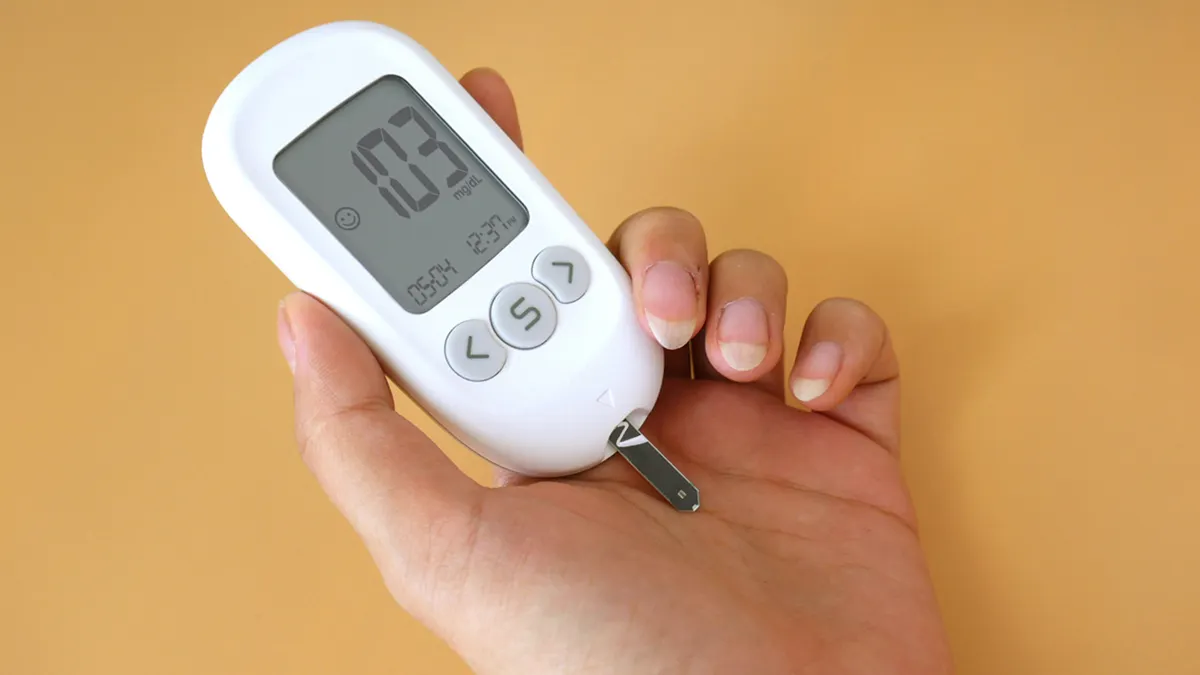
The right device depends on whether you need snapshots or a full movie. If you need a quick, low-cost check at a specific moment, a finger-stick meter is enough. If you need pattern management, especially around meals, sleep, exercise, or hypoglycemia, a CGM is usually more informative. That trade-off matters because each tool leaves blind spots. For product specifics and safety basics, the FDA publishes consumer information on home glucose meters and CGMs.
A meter is simple, widely available, and often cheaper up front. You can use a typical glucometer with test strips and lancets, and compare the result to your symptoms right away. But it gives only the exact minute you test. If your glucose drops at 2 a.m. and rebounds by morning, a single fasting check may never show the low.
A CGM, such as Dexcom G7, Abbott FreeStyle Libre 3, or similar systems, updates every few minutes and shows trends and arrows. That makes it easier to see post-meal spikes, overnight lows, and the effect of exercise. The drawback is cost, wear time, sensor failure, compression lows, and the fact that CGM values are interstitial glucose, not blood glucose. That lag matters most when glucose is changing quickly. In those moments, a meter can still be the tie-breaker.
If you are choosing between them, use this rule:
- choose a meter if you need occasional checks, budget control, or confirmatory readings
- choose a CGM if you need pattern recognition, hypoglycemia alerts, or data for dose adjustment
- choose both if you are on insulin and need both trend visibility and exact confirmation
Use this path when you need a device decision:
- List your main question: fasting highs, post-meal spikes, nocturnal lows, exercise response, or medication timing.
- Count how often you need answers: once a day, several times a week, or continuously.
- Ask whether you need alerts. If you have severe lows, overnight lows, or hypoglycemia unawareness, alerts matter.
- Check whether your clinician wants finger-stick confirmation before correcting a low or making a dose change.
- Match the device to the problem, not to the marketing claim.
- Reassess after 2 to 4 weeks of real use. A device that looks good on paper but is ignored in daily life is the wrong device.
One honest limitation: CGMs can make people overreact to every blip. That is a real drawback. If you chase every arrow, you can create more corrections than needed, especially after meals or exercise. A meter has fewer bells and whistles, but sometimes fewer bells are exactly the point.
The ADA has patient-facing guidance on glucose monitoring, and the FDA publishes consumer information on home glucose meters and CGMs. Those are worth reading before buying anything expensive.
Quick check: If you care about trends more than isolated numbers, a CGM is usually the better fit; if you only need occasional confirmation, a meter may be enough.
How often should you check blood sugar?
You should check often enough to answer the question in front of you, not often enough to create noise. If you have type 1 diabetes, use intensive insulin, or are starting a new regimen, you usually need more frequent monitoring than someone with stable type 2 diabetes on medication that rarely causes lows. If you are not changing treatment and your numbers are stable, more checks do not automatically create better control, and it is best to review the plan with a professional or clinician before increasing testing. The CDC and ADA both emphasize matching monitoring to treatment and risk.
The common mistake is to test at the same times every day without a reason. That can be fine for safety, but it does not explain patterns. A better approach is to rotate through time blocks so you learn something new: fasting one day, pre-lunch the next, 2 hours after dinner another day, and overnight if needed.
Use the following decision path, and consult a professional or clinician if you are unsure how it applies to your treatment plan:
- Identify your treatment type: no medication, oral medication, non-insulin injection, basal insulin, or multiple daily injections/pump.
- Write down your pattern concern: highs, lows, variability, or a specific meal.
- Pick the minimum number of checks that can answer that concern.
- Keep the same food, dose, and activity variables as much as possible for 3 to 7 days.
- Compare readings across the same time window, not across unrelated days.
- Change one thing only after the pattern is clear.
Here is where the advice changes:
- If you are on insulin, testing needs are usually higher because dosing decisions depend on current glucose and trend.
- If you take sulfonylureas, such as glipizide or glyburide, lows are a real concern, so timing matters.
- If you use only metformin and have stable results, frequent daily checks may add little unless you are troubleshooting.
- If you are pregnant, monitoring targets and timing are stricter and should be set with your obstetric and diabetes care team.
A generic article will say “check as directed.” That avoids the real question. The real question is whether the check is tied to a decision. If not, skip it.
Quick check: If you cannot name the pattern you are trying to catch, you probably do not need another routine check yet.
How do I spot glucose patterns instead of random numbers?
You spot patterns by grouping readings by time, trigger, and response, then looking for repetition over at least 3 days. If the same rise, fall, or overnight trend repeats under similar conditions, that is a pattern. If one reading is weird and the rest are not, ignore the outlier unless symptoms or device alerts say otherwise.
This is where many people get stuck. They look at one high number and assume it means failure. It does not. Glucose moves in response to meals, stress, sleep, illness, alcohol, hormones, and exercise. The pattern is the message.
The easiest pattern framework is this:
- before breakfast and 2 hours after breakfast
- before lunch and 2 hours after lunch
- before dinner and 2 hours after dinner
- bedtime and waking
- before exercise and after exercise
If the pattern is meal-related, focus on carbohydrate load, portion size, fat content, and timing. A meal with a lot of refined starch may spike quickly. A high-fat meal can spike later, sometimes 3 to 5 hours after eating. If the pattern is overnight, the cause may be evening insulin, late food, alcohol, or the dawn phenomenon. If the pattern happens after exercise, your activity may be lowering glucose for hours after the workout.
A useful way to document the pattern is with a simple log:
| Time | Reading | Food | Medication | Activity | Note |
|---|---|---|---|---|---|
| 7:00 a.m. | 142 | none | basal insulin last night | none | woke up high |
| 9:00 a.m. | 198 | oatmeal + juice | none | none | spike after breakfast |
| 10:30 p.m. | 88 | snack | evening dose | 20-min walk | stable overnight so far |
If you use a CGM, do not stare only at the current number. Instead, look at the 24-hour trace. Pay attention to time-in-range if your clinician has given you that target. The International Consensus on Time in Range is a useful framework, though your personal target may differ based on age, pregnancy, hypoglycemia risk, or other conditions.
Use this method:
- Choose one time window to study, such as breakfast or overnight.
- Collect 3 to 7 days of readings in that same window.
- Write down the exact meal, dose, and activity that happened before the reading.
- Mark repeated rises or drops of similar size and timing.
- Decide whether the issue is food, medication timing, exercise, or stress/sleep.
- Only then make one change and watch the next 3 to 7 days.
One limitation: pattern management is slower than people want. You rarely solve the problem in one day. That is frustrating, but it is how you avoid making three bad changes at once and losing the trail.
Quick check: If the same thing happens after the same meal or at the same hour, you have a pattern; if not, you have noise.
Blood sugar monitoring and pattern management after meals
If your glucose rises after meals, start with the meal that causes the biggest and most repeatable spike, not the one that looks healthiest on a plate. That sounds blunt because it is. “Healthy” foods can still produce a steep rise if the portion, timing, or combination is wrong for your body.
The useful post-meal question is not “Was this meal good?” It is “How much did this meal move my glucose, and when?” If you check only at 2 hours, you may miss an earlier spike. If you check only at 1 hour, you may miss a delayed rise from fat and protein. A CGM is better here because it shows the curve; a meter can still work if you are disciplined.
When a meal keeps causing the same problem, use this step-by-step path:
- Measure glucose before the meal.
- Write down the meal components: starch, fruit, sugar drink, fat, protein, and portion size.
- Check again at 1 hour and 2 hours after eating, or watch the CGM curve.
- Compare the rise across at least 3 similar meals.
- Reduce the part of the meal most likely driving the spike: refined carbs, liquid sugar, or oversized portions.
- Test one change at a time, such as a 10- to 15-minute walk after eating, smaller starch portions, or eating protein and vegetables first.
There are three common post-meal patterns:
- fast spike, fast drop: often a high-glycemic meal
- delayed rise: often a meal with more fat, such as pizza or fried food
- prolonged elevation: may mean the total carbohydrate load is too high or medication timing is off
A blunt truth: some advice on the internet treats every spike as a disaster. That is wrong. A single post-meal rise is not the same as chronically poor control. What matters is the size, duration, and repeatability of the spike, plus your overall goals and medication plan. For a broader framework, the American Diabetes Association and CDC both discuss pattern-based self-management rather than reaction to one reading.
Who this section is not for: if you use rapid-acting insulin, meal timing and dose calculations belong in a clinical plan, not improvised internet math. The principles still apply, but the dosing decisions should be coordinated with your diabetes care team.
Quick check: If one meal keeps causing the same post-meal rise, that meal is the problem to solve first.
What changes when highs or lows keep showing up overnight?
If your numbers are off overnight, the problem often sits in the hours before bed, not at sunrise. A fasting high can come from too little basal insulin, late eating, alcohol, stress, or the dawn phenomenon. A nocturnal low can come from too much evening medication, missed snacks, exercise late in the day, or alcohol.
The common mistake is to fix the morning number without checking what happened from bedtime to waking. A 3 a.m. reading, or CGM overnight trace, is often the missing clue. If the glucose is low at 3 a.m. and high in the morning, rebound from an overnight low may be part of the picture. If it rises steadily after 4 a.m. without a preceding low, the dawn phenomenon becomes more likely. This is a good point to compare bedtime, overnight, and waking values before changing anything.
A workable approach:
- Check bedtime glucose and compare it with waking glucose for 3 to 7 nights.
- If possible, add one overnight check around 2 to 3 a.m., or use CGM overnight data.
- Review evening food, alcohol, exercise, and medication timing.
- Separate “low then high” from “steady rise all night.”
- Bring the pattern to the clinician before changing basal insulin or other glucose-lowering medication.
- Watch whether breakfast itself is also driving the morning high.
Here is the decision split:
- If bedtime is normal and waking is high, suspect dawn phenomenon or insufficient overnight medication coverage.
- If bedtime is low and waking is high, suspect a nocturnal low with rebound or overtreatment, and review the pattern with a professional before changing doses.
- If bedtime is high and waking is high, the problem may be late food, underdosing, or a delayed meal effect.
- If bedtime is normal and waking is low, the overnight medication dose may be too strong, or there may be exercise or alcohol effects.
A meter can catch this, but a CGM is much better for overnight work because it shows the direction of travel. If you wake up every morning at a high number and never know why, overnight data is the missing map.
Quick check: If the morning number is the only one you see, you may be missing the real cause.
Edge cases that break the usual rules
If one of these applies, standard advice can mislead you. These are the scenarios that trip up normal pattern advice:
-
You are pregnant. Targets are tighter, timing matters more, and the tolerance for prolonged highs is lower. What changes: the “good enough” range used for routine type 2 diabetes may not apply. What to do instead: follow the pregnancy plan from your obstetric and diabetes team and use monitoring as directed, often more frequently than usual.
-
You have hypoglycemia unawareness. You may not feel lows until they are serious. What changes: symptoms are not a reliable warning system. What to do instead: prioritize CGM alerts and confirm with a meter when readings do not match how you feel.
-
You use glucocorticoids, such as prednisone. Steroids often raise glucose, sometimes sharply after the dose. What changes: the pattern may track medication timing, not meals alone. What to do instead: monitor around the steroid schedule and tell the prescribing clinician if the pattern shifts after starting or changing the dose.
-
You have kidney disease or are elderly. The risk from lows can outweigh the benefit of tight numbers. What changes: the safest target may be less aggressive, depending on your overall health and care plan. What to do instead: discuss individualized targets and avoid chasing every high if the price is repeated hypoglycemia.
-
You exercise hard most days. Activity can lower glucose during exercise and for hours afterward. What changes: the same breakfast or dose can behave differently on training days. What to do instead: separate training days from rest days in your log and compare them directly.
-
You are sick, stressed, or sleeping poorly. Illness and stress can raise glucose even if food has not changed. What changes: the body’s hormonal response becomes part of the pattern. What to do instead: look at the whole day, not just the meal, and follow sick-day guidance from your clinician.
This is where generic “just eat better” advice falls apart. If a steroid dose, pregnancy, or overnight hypoglycemia is the real driver, food tweaks alone will not fix the issue.
Quick check: If your situation affects safety, hormones, or medication timing, normal pattern rules are not enough.
When the standard advice is wrong
Standard advice is wrong when it tells you to react to every number the same way. If your glucose is briefly high after a large meal, that is not the same problem as repeated overnight lows. If your readings are erratic because your medication timing is inconsistent, food advice will not solve it. If you are on a regimen that can cause hypoglycemia, the first goal is safety, not perfect numbers.
The biggest error is treating monitoring as a scorecard. It is not a moral report. It is a feedback tool. The goal is not to “win” every reading. The goal is to learn which few changes move your specific pattern in the right direction.
Use this triage rule:
- If the pattern is rare and mild, watch it.
- If the pattern repeats under the same conditions, adjust one variable.
- If the pattern includes severe lows, confusion, fainting, or readings that do not match symptoms, get clinical help quickly.
- If you cannot explain the pattern from food, medication, or activity alone, look for sleep, stress, illness, alcohol, or steroid effects.
Here is a practical decision table for the final call:
| Situation | Best Path | Why Other Options Fail |
|---|---|---|
| One isolated high after a big meal | Observe and compare the next similar meal | Immediate overcorrection can create a low later |
| Repeated highs at the same time every morning | Study overnight data and medication timing | Random daytime checks miss the cause |
| Repeated lows with exercise | Adjust timing, fueling, or medication with clinician input | Ignoring the exercise effect repeats the problem |
| Unexplained swings despite stable routine | Review illness, stress, sleep, alcohol, and steroids | Food-only thinking can miss the real trigger |
Use authoritative sources when you need a baseline: the American Diabetes Association Standards of Care, the CDC diabetes pages, and FDA guidance on home glucose monitoring are all solid starting points. For treatment changes, though, the right answer depends on the person, the medication, and the risk of lows.
Quick check: If the advice sounds simple but your pattern is not, the advice is probably too simple.
A practical 7-day plan to turn readings into action
You should use a 7-day pattern review when the goal is a decision, not just a log. If you have a new problem or a new medication, a week is often enough to see a direction. If the issue is more complex, you may need longer, but a week is a useful start.
Here is a plain 7-day plan:
- Day 1: Choose one target problem, such as fasting highs or dinner spikes.
- Day 2: Collect readings around that one window only.
- Day 3: Keep meals and activity as consistent as possible.
- Day 4: Add a note for sleep, stress, alcohol, illness, or steroid use if relevant.
- Day 5: Compare the numbers from the same time window.
- Day 6: Decide whether the main issue is food, timing, medication, or activity.
- Day 7: Make one change and keep everything else steady so you can judge the effect.
If you are using a CGM, the review is faster because you can see the curve. If you are using a meter, you need more discipline with timing because the curve is hidden between readings. Either way, the review fails if you change five things at once. Therefore, the method works best when the context stays stable.
The best pattern management habit is simple: write down the context next to the number. A reading without a meal, dose, or activity note is half a clue. Three similar readings with context become a usable pattern.
A final honest limitation: pattern management is not a substitute for medical care when glucose is unsafe. Severe highs, severe lows, ketones, vomiting, confusion, or repeated unexplained swings need professional attention.
Quick check: If you want fewer surprises, do a focused 7-day review instead of endless random testing.
Key Takeaways
- Blood sugar monitoring is useful only when it answers a specific question.
- CGMs show trends; finger-stick meters give exact snapshots.
- Repeated readings matter more than isolated outliers.
- The same number can mean different things at breakfast, overnight, or after exercise.
- Post-meal spikes, overnight highs, and lows each have different causes and different fixes.
- A pattern review works best when you change one variable at a time.
- Some situations, like pregnancy, steroid use, kidney disease, or hypoglycemia unawareness, need a different approach.
- If readings are dangerous or confusing, get clinical help instead of trying to solve everything from home.
Drafted with AI; not yet reviewed by a person.