Last updated: October 31, 2026
Key Takeaways
- The carb count does not change food safety.
- Use the same 8-step check before eating any food in pregnancy.
- Unsafe foods are defined by infection risk, not carbohydrate count.
- Use temperature, timing, and labels before you think about portions.
Gestational Diabetes Food Safety: What Is Safe to Eat During Pregnancy is about two separate questions at once: what is safe in pregnancy, and what is reasonable for blood sugar. Those are not the same thing. Some foods can be fine for glucose but unsafe because of bacteria, and a “safe” pregnancy food can still raise blood sugar quickly. Speak with a qualified clinician about your own situation, because pregnancy, diabetes, and food safety advice can change with your medical history. Quick answer: the safest approach is to check food safety first, then manage carbs. In 2023, the CDC estimated that gestational diabetes affected 5% to 9% of pregnancies.
For this guide, the pregnancy food safety rules are the main filter. I am separating foodborne-illness risk from carbohydrate management so the unsafe foods are clear even before you count carbs. The focus here is on pasteurized foods, deli meat safety, fish guidelines, egg safety, leftover storage, and reheating basics. The corresponding nutrition and meal-planning advice belongs on the gestational diabetes nutrition hub, not here. For general pregnancy food safety, the FDA and CDC are the key baselines.
Who this applies to — and what it assumes you already know
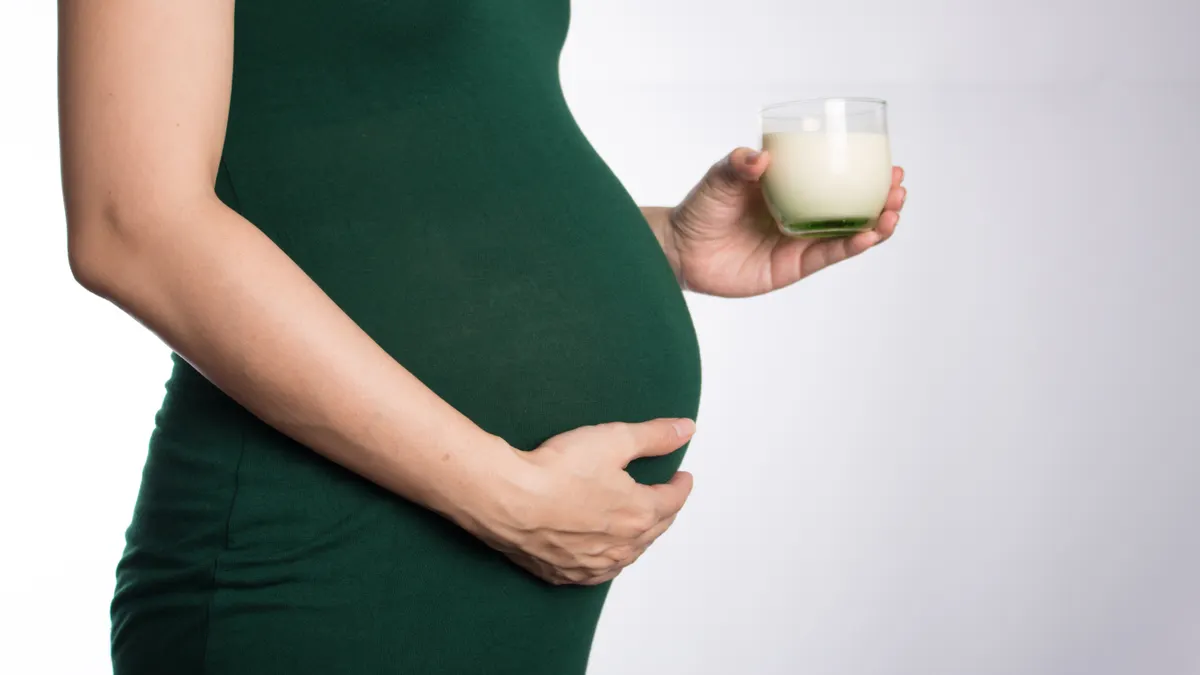
This applies to someone who is pregnant, has gestational diabetes, and wants to know whether a food is safe before asking whether it fits a glucose plan. It assumes you already know the basics of gestational diabetes care: checking blood sugar, following the plan you were given, and using pregnancy food safety rules as a separate screen. It does not replace individualized advice from your obstetric clinician, diabetes educator, or registered dietitian.
The practical standard is simple: if a food is risky in pregnancy, blood sugar count does not make it safe. A sandwich made with an unpasteurized cheese is still a food safety problem even if the bread portion is small. A bowl of cooked rice may be microbiologically safe if handled well, but it may still need portion control for glucose. That split is the point of this article.
A useful frame is “pregnancy-safe first, glucose-aware second.” In food safety terms, “safe” usually means the food was pasteurized, cooked to a safe internal temperature, chilled promptly, or reheated thoroughly enough to reduce bacterial risk. The exact details matter, and they matter more in pregnancy than in a typical adult diet because the consequences of foodborne infection can be more serious. General pregnancy food safety guidance from the U.S. Food and Drug Administration and the Centers for Disease Control and Prevention is the right baseline; your own clinician may advise a stricter or looser plan depending on your risk factors. For current advice, see the FDA pregnancy food safety page and the CDC listeria guidance.
Who this is not for: if you have been told to follow a special pregnancy diet for another condition, such as a medically restricted immune status, severe vomiting, or a history of foodborne illness, generic guidance may not be enough. The same is true if your care team has already given you a specific list of foods to avoid. In those cases, the individualized plan wins.
What makes a food safe in pregnancy, regardless of carbs?
A food is safe in pregnancy when its handling blocks the main foodborne risks: unpasteurized dairy, undercooked animal foods, contaminated deli items, and leftovers that sat too long or were reheated unevenly. The carb count does not change that. A food with 0 grams of carbohydrate can still be unsafe if it is made with raw egg or unpasteurized milk.
The word “pasteurized” usually means the food has been heat-treated to reduce harmful microbes. That includes pasteurized milk and most commercial yogurt, cream cheese, and many soft cheeses sold in regulated markets. If a label does not clearly say pasteurized, do not assume it is. Soft cheese is a special case because some soft cheeses are made with pasteurized milk and some are not; the ingredient list, not the texture, is what matters. If the label is unclear, consult your clinician or local food safety guidance before eating it.
Deli meat is another common gray area. Sliced turkey, ham, and similar meats can carry Listeria if they are contaminated after cooking or during slicing. The usual pregnancy safety approach is to heat deli meat until it is steaming hot before eating it. That does not make the food low-carb or high-carb; it only addresses safety. If heating is not realistic, that is a reason to choose a different protein, not to gamble.
Fish guidance is about species and preparation. The usual safety standard is to avoid raw fish and to use low-mercury, fully cooked fish in the amounts your clinician recommends. Fish can be a good protein source, but sushi, ceviche, and smoked fish that has not been heated are not the same as a cooked fillet. The safety question comes first; the carb question almost never matters for plain fish. The FDA and CDC both give detailed fish guidance for pregnancy.
Eggs need the same lens. A fully cooked egg yolk and white are one thing; raw or runny eggs are another. The concern is not carbs, since eggs are naturally low in carbohydrate, but Salmonella exposure. That means homemade mayonnaise, eggnog, mousse, and sauces made with raw egg may be a problem unless they are made from pasteurized egg products. If you are unsure, ask a clinician or check for pasteurized egg products on the label.
Leftovers are where many people get tripped up because the food looked fine when it went into the fridge. Food safety depends on time and temperature. Perishable food should be refrigerated promptly, not left on the counter for hours, and should be reheated until steaming hot throughout. Rice, pasta, meats, and mixed dishes all fall under this rule. A boxed takeaway meal can be safe if handled correctly; a home-cooked meal can be unsafe if it sat out too long. For a broader framework, the USDA Food Safety and Inspection Service has plain-language guidance on safe storage and reheating.
How to check food before you eat it

The safest practical approach during pregnancy with gestational diabetes is to run every food through the same 8-step check before it reaches your plate. This is the part most generic articles skip, even though it is the part that keeps people from guessing.
- Check whether the dairy is pasteurized. Read the label on milk, yogurt, cottage cheese, cream cheese, and soft cheese. Verify that “pasteurized” appears on the package or ingredient list. If the label is missing, unclear, or from an unregulated source, consult your clinician or local food safety guidance before treating it as safe for pregnancy. The problem is not the carb count; it is microbial risk.
- Inspect deli meat handling. If you want deli meat, verify that it has been heated until steaming hot, not merely warmed. A cold sandwich from the deli case is the issue. If you cannot confirm the heat step, the safer choice is to skip it. The problem is possible contamination after cooking.
- Confirm eggs are fully cooked. Look for firm whites and firm yolks in fried, scrambled, poached, or baked eggs. If the yolk is runny or the dish contains raw egg, do not treat it as pregnancy-safe without checking with your clinician. This matters even when the dish is otherwise low in carbohydrate.
- Use fish only if it is fully cooked and appropriate for pregnancy. Avoid raw sushi, sashimi, ceviche, and smoked fish that has not been heated. Check that the flesh flakes and is opaque, not translucent. If you are unsure about the species or sourcing, choose a different protein. Fish safety includes both preparation and mercury considerations.
- Check leftovers for time out of refrigeration. If a perishable dish has been at room temperature for more than 2 hours, do not rely on smell or appearance. The food can look fine and still be unsafe. In hot conditions, the safe window is shorter. When in doubt, discard it rather than “rescue” it with reheating.
- Reheat to steaming hot throughout. Stir casseroles, soups, and mixed dishes so the heat reaches the center. A cold spot in the middle means the food was not reheated evenly. A microwave can be used, but it can leave patches cool unless the food is stirred and allowed to stand briefly after heating.
- Refrigerate leftovers promptly in shallow containers. A shallow container cools faster than a deep pot. Put the food away in a way that lets it chill quickly, not as one dense mass. If the food is still warm, that is fine; the problem is leaving it in the temperature danger zone too long.
- Recheck the food if it has been handled by others. Buffets, potlucks, and office kitchens create extra handling steps. If you cannot tell whether cold foods stayed cold or hot foods stayed hot, the safety assumption is weaker. The issue is not social; it is temperature control and contamination risk.
A good result looks boring: pasteurized dairy, thoroughly cooked eggs, hot deli meat if used at all, cooked fish, and leftovers that were chilled and reheated correctly. A problem looks vague: “I think it was fine,” “it smelled okay,” or “I only left it out a little while.” Those are not safety standards.
What foods are unsafe in pregnancy with gestational diabetes?
Unsafe foods are the ones with pregnancy infection risk, not the ones with the highest carbs. That distinction matters because gestational diabetes often makes people focus on glucose numbers and miss the food safety side.
The usual unsafe group includes unpasteurized milk and products made from it, soft cheese made from unpasteurized milk, raw or undercooked eggs, raw fish, deli meat that has not been heated, and leftovers held or cooled poorly. Some foods sit in a gray area because the label or source is unclear. A cheese board at a party, a salad with cold deli meat, or restaurant eggs with a runny yolk can all be risky even if they do not spike blood sugar.
The biggest mistake is treating “healthy” as the same as “safe.” A raw egg in a protein shake, a fresh farm cheese with no pasteurization label, or smoked fish straight from the package may sound nutrient-dense. Safety does not work that way. In pregnancy, the question is not whether the food is trendy or low-carb. The question is whether the preparation blocks likely pathogens. If you are unsure, ask a clinician before making the food part of your routine.
A second mistake is assuming reheating fixes everything. Reheating can reduce risk for some foods, but it does not make a badly stored food safe again. If leftovers sat out too long, reheating is not a rescue plan. It is better to discard the food than to test the limits of foodborne illness in pregnancy.
The same caution applies to “lightly cooked” dishes. A soft-boiled egg, a runny omelet, or a medium-rare protein dish may be acceptable for some adults but not a good pregnancy default. The standard advice from public health agencies is conservative for a reason. Pregnancy is not the time to improvise with undercooked animal foods.
One honest trade-off: stricter safety can make eating feel narrower, especially if your usual diet included sushi, soft cheeses, or deli sandwiches. That is a real loss. But the safer approach is to narrow the method, not to loosen the standard.
How do I keep food safe while managing gestational diabetes?
You keep food safe by using temperature, timing, and labeling rules before you think about portions. That means the first question is “Was it pasteurized, cooked, and stored correctly?” not “Does it fit my carb budget?”
For home food, the most useful habits are plain. Keep the refrigerator cold, refrigerate leftovers quickly, and store cooked food in shallow containers so it cools faster. Eat leftovers within a safe window recommended by your local food safety authority or care team, and toss anything that sat out too long. Reheat leftovers until the center is steaming hot. If you use a microwave, stir the food and let it stand briefly so heat distributes more evenly. The USDA and FDA both stress time and temperature control.
For store-bought food, read labels closely. “Pasteurized” matters on dairy products and egg products. For deli meat, heat matters more than the brand name. For fish, the cooking method matters more than whether it is described as “fresh.” If the package or menu does not make that clear, ask before you eat or choose a different food. A 2023 FDA consumer update notes that pasteurization is a key safety step for dairy.
For mixed meals, separate the two problems. A safe meal can still be too carb-heavy, and a blood-sugar-friendly meal can still be unsafe if the ingredients are raw or unpasteurized. That means you may need to solve safety first, then adjust the carbohydrate portion with the plan from your clinician or dietitian. The gestational diabetes nutrition hub can handle the meal-structure piece; this page is about not getting sick from the food itself.
One practical limit: not every restaurant or catered meal gives enough information to verify handling. That is why restaurant ordering is not covered here. If you cannot confirm pasteurization, cooking, or storage, treat uncertainty as a safety signal, not an invitation to guess.
The mistakes people make most often
The common errors are predictable, and each one has a consequence.
- Assuming low-carb means safe. A raw egg dish can be nearly carb-free and still unsafe in pregnancy. The correct alternative is to check preparation, not just nutrition.
- Trusting smell and appearance. Food can smell normal and still carry a food safety risk. The correct alternative is to use storage time and temperature as the standard.
- Eating deli meat cold because it is “already cooked.” The slicing and storage step is part of the risk. The correct alternative is to heat deli meat until steaming hot or choose a different protein.
- Assuming all soft cheese is unsafe or all soft cheese is fine. The pasteurization status is the real issue. The correct alternative is to read the label or verify the source.
- Reheating leftovers lightly. Warm food is not necessarily safe food. The correct alternative is to reheat thoroughly and stir for even heat.
- Using a “small amount won’t matter” mindset. Pregnancy food safety is not dose-free; a small exposure can still be relevant. The correct alternative is to use the same safety rule every time.
The cost of these mistakes is not theoretical. Foodborne illness in pregnancy can be serious, and gestational diabetes can make people focus so much on glucose management that they stop asking the safer question. The cleaner habit is to make safety nonnegotiable and then manage carbohydrates inside that boundary.
Drafted with AI; not yet reviewed by a person.