Last updated: August 11, 2026
Quick Answer: For gestational diabetes at restaurants: how order without wrecking your numbers, the simplest approach is to build the meal around protein, non-starchy vegetables, and one measured carb. A practical target is 1 carb choice, not 3, plus a drink with 0 grams of added sugar. I am not your clinician, so speak with your OB, midwife, or diabetes educator about your own targets and meal plan, especially if your numbers have been hard to control.
Key Facts
- Gestational diabetes at restaurants is easier to manage when you choose protein + vegetables + one carb.
- Restaurant menus often hide carbs in sauces, drinks, bread baskets, and fried or breaded coatings.
- A small change, like water instead of a sweet drink, can remove a major sugar source.
- If your meal plan is unclear, a registered dietitian or diabetes educator can help translate it into a menu order.
- When your numbers have been unstable for several days, keep restaurant meals simpler and check with a clinician.
Restaurant dining is not off-limits. The snag is simpler: menus are built to make carbs easy to overshoot. Big portions, sneaky sugar, bread baskets, sweet drinks, and sauces that sound savory but arrive loaded with sugar — it adds up fast. With gestational diabetes at restaurants, that mix can turn a normal night out into a guessing game. Messy math.
What I Learned to Stop Guessing About
The biggest mistake people make with gestational diabetes at restaurants is trying to “eat healthy” in the vague, normal-people sense. You know the type: the dish sounds virtuous, then shows up as a pile of pasta, a sugary glaze, and a side of bread. Looks careful. Still carb-heavy.
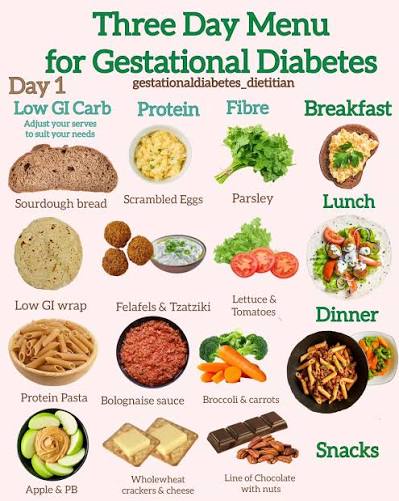
A better approach is more exact. I would think in three parts:
- Protein first: chicken, fish, eggs, tofu, beef, turkey, shrimp, or beans if they fit your plan.
- Non-starchy vegetables: salad, broccoli, asparagus, green beans, zucchini, peppers, mushrooms.
- A measured carb, if you want one: fries, rice, potatoes, corn, tortilla, pasta, bread, dessert, not all of them at once.
For gestational diabetes at restaurants, that means I would not ask, “What sounds good?” I would ask, “What main protein comes with vegetables, and what carb is easiest to shrink?”
Public guidance from groups such as the American Diabetes Association and the Centers for Disease Control and Prevention keeps circling back to individualized meal planning for diabetes in pregnancy, which is exactly why a one-size-fits-all restaurant order is not the goal. If the meal pattern is fuzzy, a diabetes educator or registered dietitian can turn it into an actual menu choice.
How I Would Read a Menu in 60 Seconds
Restaurant decisions get easier when I stop reading the dish name like a promise. Names are marketing. Ingredients matter.
Here is the order I would use:
- Start with the protein section.
- Scan for grilled, roasted, baked, broiled, steamed, or sautéed.
- Look for sauces on the side.
- Identify the starch before the meal gets to the table.
- Decide whether I want to swap, split, or skip the starch.
Plain? Sure. But plain works when you are tired, pregnant, and trying not to second-guess every bite.
Be wary of words like crispy, sticky, glazed, breaded, tempura, teriyaki, honey, sweet chili, bourbon, candied, and loaded. None of those words means “never,” yet each one is a little flare telling you the plate may carry more sugar or refined starch than you first thought.
At a Mexican restaurant, I would look for fajitas, a salad with chicken or shrimp, or tacos I can modify. In Italian places, I would look for grilled fish, chicken, antipasto, or vegetables with a smaller portion of pasta if that is part of my plan. At breakfast spots, I would look for eggs, omelets, breakfast bowls without hash browns, and whole-grain toast only if I know it fits my numbers.
The goal is not perfection. It is control. And honestly, that is usually enough.
The Biggest Restaurant Traps With Gestational Diabetes
Some choices are louder than others. These are the traps I would watch first because they stack carbs fast.
1. Drinks that count like dessert
Soda, sweet tea, lemonade, juice, fancy coffee drinks, and mocktails can add sugar without making you feel full. Water, unsweetened tea, sparkling water, and plain coffee are usually easier choices.
2. The bread basket
It is easy to eat 2 or 3 rolls before the meal lands. That can matter more than the entrée if you were trying to keep carbs moderate. I would ask for the basket to be skipped or moved away from the table.
3. Hidden starch in the “main” dish
Battered chicken, fried fish, mac and cheese, risotto, ravioli, noodle bowls, creamy soups with crackers, and loaded sandwiches can pile carbs into one plate. A dish can sound like protein and still behave like a carb-heavy meal.
4. Sauces and dressings
Dressings, glazes, barbecue sauce, and sweet marinades can be small in volume and large in impact. “On the side” is one of the most useful phrases in a restaurant.
5. The shared plate problem
Appetizers get people in trouble because the portion looks small. One serving of fries or chips does not stay one serving for long once the table starts sharing.
The safer move is to decide ahead of time what you are there for. If the meal is the event, I would make the meal the priority and, in practice, treat the extras as extras, not defaults. Unsure how strict to be? Ask your OB, midwife, or diabetes educator for restaurant-specific guidance.
My Restaurant Ordering Formula for Gestational Diabetes
The simplest formula I would use is: protein + vegetables + one carb choice.
That can look like:
- grilled chicken salad with dressing on the side
- salmon with vegetables and a small potato
- omelet with vegetables and one slice of toast
- burger without the bun, plus salad or vegetables
- fajitas with extra peppers and onions, fewer tortillas
- stir-fry with extra vegetables and a smaller rice portion
If a restaurant lets you customize, I would use that. If it does not, I would choose the closest plate and make small changes:
- swap fries for salad or vegetables
- ask for sauce on the side
- split the entrée
- box half before starting if portions are huge
- skip the sugary drink
The downside? This style of ordering can feel less spontaneous. Sometimes it also costs more if you are paying extra for substitutions. That is real. Still, for many people, the trade-off is worth it because it gives them more predictable meals.
I would also avoid turning “low carb” into “no carb” without guidance. Pregnancy is not the time to aggressively cut food groups on your own. If a meal plan from your care team includes a certain amount of carbohydrate, follow that rather than inventing a stricter version at the table.
What Went Wrong: The Night I Assumed the “Healthy” Dish Was Safe
Restaurant mistakes usually happen when I assume the menu name tells the whole story. The classic example is a dish that sounds balanced but arrives with hidden starch, sugar, or both.
A salad can be the trap. So can a grain bowl. So can grilled chicken with a “light” sauce that turns out to be sweet. The problem is not the word healthy. It is the mismatch between the words and the actual plate.
Here is the kind of failure that matters: I thought I had made a careful order, but I missed the sauce, the starch side, and the drink. I ended up with more carbs than I intended, and the meal stopped feeling like a calm night out. It became a lesson in how fast small extras stack. Like stepping on a rake.
That kind of mistake costs time and confidence. It can also make the next restaurant trip more stressful than it needs to be. Once you have one bad experience, you may start overcorrecting and ordering too little, or avoiding restaurants entirely. Neither extreme is very useful.
What helps is not shame. It is a better habit: read the full plate, not just the title. Ask for the sauce list. Notice whether the meal already includes a starch. Decide whether dessert is part of the plan or an impulse after the entrée lands.
A restaurant meal is not ruined because it is imperfect. It is only a problem when the surprises keep coming.
The Small Changes That Made the Most Difference
For most people, the easiest gains come from a handful of repeatable moves, not a perfect menu strategy.
The biggest difference is often the first order you make:
- water instead of a sweet drink
- sauce on the side
- no bread basket
- one starch, not three
- protein and vegetables first
That sounds too simple to matter, but simple choices are exactly what hold up when you are hungry and tired. Complicated plans fall apart at the table.
I would also pay attention to timing. Some people with gestational diabetes find it easier to handle meals when they do not go too long without eating first. Others do better when they avoid arriving at a restaurant so hungry that they order the first carb-heavy thing they see. Individual responses vary, so this is the kind of detail to discuss with a clinician or diabetes educator.
Another useful habit is to keep a few “safe” restaurant categories in mind before you leave home. That way you are not inventing the plan in the parking lot. If you already know that a certain place can usually do grilled fish, fajitas, or an omelet with vegetables, you start with an advantage.
Before and After: A Simpler Way to Order
| Metric | Before | After | Change | Timeline |
|---|---|---|---|---|
| Drink choice | Sweet tea | Water or unsweetened tea | Removed liquid sugar | Week 1 |
| Starch on plate | 2 starches | 1 starch | Lower carb load | Week 1 |
| Sauce use | Poured on entrée | On the side | More control | Week 1 |
| Bread/appetizer intake | Automatic | Usually skipped | Fewer surprise carbs | Month 2 |
| Restaurant confidence | Hesitant | More deliberate | Less guesswork | By Day 90 |
This is not a medical promise, and it is not a substitute for your own glucose checks. It is simply the pattern I would expect to see when someone stops letting the restaurant decide the meal.
When I Would Not Try to “Make It Work”
There are times when restaurant food is just the wrong setting for experimentation.
I would be more cautious if:
- my numbers had been unstable for several days
- I was already overwhelmed and likely to overeat
- the only nearby options were fast food or dessert-heavy spots
- I had no idea how my body handled a specific cuisine
- I was eating far outside my usual meal schedule
In those situations, I would keep the meal simpler. I might choose a straightforward protein and vegetable plate, or even decide that the safest option is a different restaurant or a meal at home. That is not failure. That is selecting the easier environment.
This is also where I would put a hard line around advice from friends. Someone may tell you that pregnancy means “eating for two,” or that a single meal does not matter. Those comments are comforting and usually unhelpful. Gestational diabetes is managed in the real world, one meal at a time, and restaurant meals are part of that reality.
A qualified professional can help interpret your logs, your targets, and your meal plan. That matters more than any generic rule.
FAQ
Can I eat pasta at a restaurant with gestational diabetes?
Yes, if your care team’s meal plan allows it and you watch the portion. I would keep the rest of the plate lighter on starch and choose a protein or vegetable side.
Is salad always the safest choice?
No. Salad can be a great option, but toppings, dressing, croutons, candied nuts, and sweet add-ons can change it fast. I would treat salad as a base, not a guarantee.
What should I drink at a restaurant?
Water, unsweetened tea, sparkling water, or plain coffee are usually simpler choices than sugary drinks. If you have questions about caffeine or sweeteners in pregnancy, ask your clinician.
Should I avoid all desserts?
Not necessarily. That depends on your plan and your blood sugar response. If dessert matters to you, I would plan for it instead of treating it like an afterthought.
What is the easiest restaurant type for gestational diabetes?
I would look for places that make customization easy: diners, grill-style restaurants, salad or bowl spots, and some Mediterranean or Mexican restaurants. The easiest choice is usually the one that lets you see the protein, the vegetables, and the starch separately.