Last updated: August 11, 2026
- According to the American Diabetes Association, gestational diabetes affects about 5% to 9% of pregnancies in the United States.
- For example, a 2023 guidance update from the American Diabetes Association highlights carbohydrate quality and individualized monitoring.
- A 2023 ADA update and ACOG guidance both support individualized care rather than a rigid universal diet.
- For a lot of people, that is the reality after a gestational diabetes diagnosis.
One pregnancy test, then a glucose meter. For a lot of people, that is the reality after a gestational diabetes diagnosis. Gestational diabetes diet planning comes down to a single goal: keep blood sugar steadier while still feeding you and your baby well. Quick Answer: for many people, a gestational diabetes diet works best when meals include protein, fiber, and a modest carbohydrate portion, with blood sugar targets reviewed by your obstetric clinician, midwife, or a registered dietitian. I’m writing this as a health writer who has spent years covering pregnancy nutrition, and I’ll be blunt: talk with your obstetric clinician, midwife, or a registered dietitian about your own numbers and plan, because gestational diabetes varies a lot from person to person. According to the American Diabetes Association, gestational diabetes affects about 5% to 9% of pregnancies in the United States.
Key facts
- Gestational diabetes diet planning is about steadier blood sugar, not zero carbohydrate.
- Many people do better with 3 meals and 2 to 3 snacks, but your care team may adjust that.
- Fiber, protein, and smaller carb portions can reduce spikes for some people.
- Breakfast is often the hardest meal to manage, so a repeatable routine helps.
- Use your glucose readings, not internet rules, to guide changes.
The Real Difference Between “Eat to Control Blood Sugar” and “Eat for Pregnancy”
Simple answer: this is not a punishment diet. A gestational diabetes diet is a way of eating that usually favors predictable blood sugar over guesswork, while still respecting pregnancy nutrition instead of fad rules. The American College of Obstetricians and Gynecologists says nutrition and monitoring are central to managing gestational diabetes.
A generic “healthy diet” article often stops at “eat less sugar.” Thin advice. The bigger issue is that blood sugar rises are driven not only by sweets, but by portions, timing, and the type of carbohydrate. Studies and guidance from groups like the American Diabetes Association and the American College of Obstetricians and Gynecologists suggest that carbohydrate quality and meal spacing can make a meaningful difference, but the right plan depends on your glucose readings and your pregnancy team’s advice. The CDC also advises people with gestational diabetes to work with their health care team on food, exercise, and monitoring.
Here is the practical split I want readers to keep in mind: in general, pregnancy nutrition asks, “Am I getting enough?”
- Pregnancy nutrition asks, “Am I getting enough?”
- Gestational diabetes management asks, “How do I get enough without making glucose spikes worse?”
That means the best approach usually includes:
– regular meals and snacks,
– carbohydrates that come with fiber,
– protein and healthy fat at the same meal,
– fewer large, fast-digesting carb loads,
– and a plan tailored to your blood sugar targets.
The big mistake I see in rushed advice is treating all carbs as the enemy. They are not. Whole grains, beans, lentils, fruit, milk, yogurt, and starchy vegetables can all fit for many people, but portion and pairing matter. Another mistake is overcorrecting with very low-carb eating without professional guidance. During pregnancy, that can be too restrictive for some people and may leave you short on energy, fiber, or key nutrients. If you are trying to make a major carb cut, consult with a registered dietitian or your obstetric clinician and use your glucose readings to guide the plan.
If you remember only one thing, make it this: the goal is steadier blood sugar, not zero carbohydrate.
Gestational Diabetes Diet: Who Should Actually Use This Approach (and Who Shouldn’t)
This style of eating is the right starting point for most people who have been told they have gestational diabetes and need to shape meals around glucose readings. It is also useful for anyone waiting for a formal plan and trying to make safer food choices right away. The American Diabetes Association and ACOG both emphasize individualized meal planning rather than a one-size-fits-all diet.
It works for people who:
– want simple, repeatable meals,
– do better with structure,
– need to reduce spikes after breakfast or dinner,
– and are willing to check in with their care team and adjust based on results.
Its strength is predictability. If blood sugar tends to run high after a meal, a more balanced plate often helps more than random “healthy” swaps. In practice, that usually means pairing carbohydrate with protein and fiber, and choosing slower-digesting carbs more often. For example, a 2023 guidance update from the American Diabetes Association highlights carbohydrate quality and individualized monitoring.
But I would not frame this as a one-size-fits-all fix. It is not a good standalone plan if:
– you are having trouble eating enough because of nausea, vomiting, or food aversions,
– you have a history of an eating disorder,
– you are being told to restrict calories aggressively,
– or your care team has already given you a different nutritional plan.
There is also a common trap here: people think “pregnancy diabetes diet” means removing all bread, fruit, rice, or milk. That often backfires. Over-restriction can make meals harder to sustain and may push you into chaotic eating later in the day.
My recommendation is plain: use this approach as a framework, then personalize it. If your fasting or post-meal readings are still off, that is not a moral failure. It is a signal to ask your clinician or dietitian about portion sizes, meal timing, and whether your current plan needs more adjustment.
The Specific Foods That Usually Win
This is where the practical part starts. If I were building a gestational diabetes-friendly plate, I would center it on foods that slow digestion, add protein, and make the carb portion more manageable. The CDC and ADA both point to balanced meals as a practical starting point.
Foods that usually work well
- Non-starchy vegetables: leafy greens, cucumbers, peppers, broccoli, cauliflower, zucchini, tomatoes
- Protein foods: eggs, chicken, turkey, fish that is pregnancy-safe, tofu, tempeh, beans, lentils, Greek yogurt, cottage cheese
- High-fiber carbs in sensible portions: oats, brown rice, quinoa, whole-grain bread, barley, beans, lentils, sweet potato, fruit
- Healthy fats: avocado, nuts, seeds, olive oil, nut butters
The reason these foods matter is simple. Fiber and protein generally slow how fast a meal hits the bloodstream. That can blunt sharper glucose spikes for many people. A breakfast of plain toast alone is more likely to spike than toast with eggs and avocado. A bowl of white rice alone is more likely to spike than rice paired with chicken and vegetables.
Foods that are worth watching more closely
- soda and juice
- sweets and desserts
- refined grain snacks like crackers, pastries, and many breakfast cereals
- big portions of rice, pasta, potatoes, or bread eaten alone
- sweet coffee drinks
I’m not saying these foods are forbidden forever. I am saying they are the kinds of foods most likely to make blood sugar harder to predict, especially if they show up without protein or fiber.
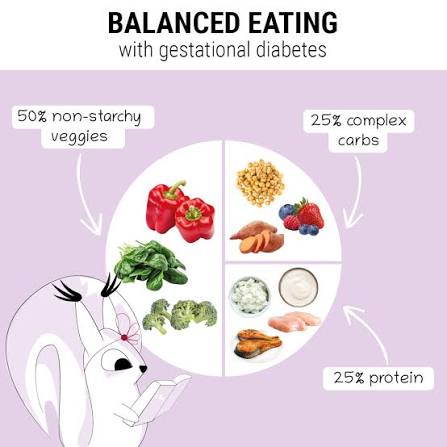
A simple plate idea
A useful mental model is:
– half non-starchy vegetables,
– a palm-size protein serving,
– a modest portion of carbohydrate,
– and a little fat if it helps satiety.
That model is not a prescription, and your dietitian may adjust it. Still, it is often a good place to start.
The Honest Side-by-Side
The main choice is not “good food versus bad food.” It is usually structured meals versus loose eating, with your glucose readings telling you how much structure you need.
| Criteria | Structured gestational diabetes meal plan | Loose, unplanned eating | Winner for blood sugar steadiness |
|---|---|---|---|
| Meal timing | Regular meals and snacks make glucose changes more predictable | Long gaps or random grazing can make readings harder to interpret | Structured plan |
| Carb quality | Usually emphasizes higher-fiber carbs and fewer refined carbs | Often ends up with more fast-digesting carbs | Structured plan |
| Satiety | Protein and fiber usually keep hunger calmer | May leave you hungry sooner | Structured plan |
| Flexibility | Less flexible, which some people find tiring | More flexible day to day | Loose eating |
| Learning your triggers | Makes it easier to see what foods raise glucose | Harder to connect meals with readings | Structured plan |
| Emotional load | Can feel restrictive if taken too far | Can feel easier at first, then more stressful if readings climb | Depends on the person |
| Breakfast control | Often especially helpful for the meal most likely to spike | More likely to trigger a high reading if carbs are unpaired | Structured plan |
| Nutrition adequacy | Can be balanced if it includes enough variety | Can be balanced, but is easier to drift off track | Structured plan |
| Long-term sustainability | Good if it is realistic and not overly strict | Good only if the person already eats this way naturally | Depends on the person |
My honest read: the structured approach usually wins for a newly diagnosed pregnancy because it gives you a clearer way to see what is happening. The downside is that it can become exhausting if every meal feels like a math problem. If that is happening, the plan needs simplification, not guilt. Because of that, the best next step is often to simplify the structure rather than abandon it.
The Real Difference Between What to Eat and What to Avoid
I think of this section as the practical heart of the topic. “What to eat” and “what to avoid” are not moral categories. They are blood-sugar tools.
What to eat more often
- vegetables, especially non-starchy ones
- protein at each meal
- whole fruits in reasonable portions
- legumes, which bring both protein and fiber
- whole grains in portions that fit your readings
- water and unsweetened drinks
What to avoid or limit more carefully
- sugary drinks
- large servings of juice
- candy, cake, cookies, and pastries
- sweetened yogurt and sugary cereals
- highly refined snacks that digest quickly
- very large carb portions eaten alone
The reason I say “limit more carefully” instead of “never” is that food management in pregnancy should be sustainable. A person who feels deprived is more likely to swing between restriction and rebound eating. That helps nobody.
One subtle point a lot of generic articles miss: some “healthy” foods can still raise blood sugar fast if the portion is large enough. Granola, smoothies, dried fruit, rice bowls, and giant servings of pasta can all be tricky. It is not only about the food label. It is about the amount and the company it keeps on the plate. According to the ADA, carb counting and portion awareness can matter as much as food type.
Another overlooked point: breakfast often behaves differently from lunch or dinner. Many people with gestational diabetes notice their morning glucose is more sensitive. That is not unusual, and it is one reason a breakfast built around protein, fiber, and a smaller carb portion may work better than a sweet cereal or a large muffin.
Our Verdict: Which One to Choose and Why
Choose the structured gestational diabetes meal plan if your blood sugar readings are running high, your meals are all over the place, or you want the clearest path to seeing what helps. Choose a more flexible version of the same plan if your readings are already close to target and you can maintain steadier meals without feeling overly restricted. Neither if you are trying to self-treat severe symptoms, skipping meals because of nausea, or making major carb cuts without professional guidance. If any of those apply, talk with your obstetric clinician, midwife, or registered dietitian first.
That is the call I would make. The structured approach wins for most readers because gestational diabetes is one of those situations where consistency matters more than perfection. A day of balanced meals often tells you more than a week of random food choices.
The catch is that “structured” should not turn into “punishing.” If you are constantly hungry, constantly thinking about forbidden foods, or unable to eat because the plan is too rigid, the plan has failed. A better one should still feel like food, not a spreadsheet.
I would advise a friend to start with balanced meals, choose carb sources with fiber, keep sweet drinks out of the routine, and track the foods that most often cause your readings to jump. Then bring those patterns to your clinician or dietitian and refine from there.
When to Reconsider This Choice Entirely
There are a few situations where the usual advice changes fast.
-
Your blood sugar stays high despite careful food choices.
That is a reason to talk with your pregnancy care team promptly. Nutrition may still matter, but you may need a different medical plan. -
Eating feels unsafe or overwhelming.
If meal rules are triggering anxiety, obsessive checking, or food fear, the current approach is too harsh. Tell a qualified professional. -
You cannot keep food down or are barely eating.
Nausea and vomiting change the picture. A standard meal plan may not fit until symptoms improve. -
Your provider has given you a specific plan already.
Follow that plan first. General advice online should not override personalized medical guidance.
This is the part I wish more articles said plainly: the best gestational diabetes diet is the one that keeps readings in range, fits your real life, and supports a healthy pregnancy without unnecessary fear. A 2023 ADA update and ACOG guidance both support individualized care rather than a rigid universal diet.
FAQ
Can I eat fruit if I have gestational diabetes?
Yes, fruit can often fit. Whole fruit is usually a better choice than juice because it brings fiber. Portion and timing matter, so your care team may help you match fruit to your readings.
Is it okay to eat bread or rice?
Often yes, but the type and amount matter. Whole-grain versions and smaller portions usually work better than large servings of refined grains, especially when eaten alone.
Do I need to cut out all sugar?
No. Most guidance focuses on limiting added sugars and keeping carbs balanced, not on eliminating every sweet food forever. Your blood sugar response matters more than a blanket rule.
What breakfast works best for gestational diabetes?
A breakfast with protein, fiber, and a modest carb portion often works best for gestational diabetes. Many people do better with eggs, plain Greek yogurt, or tofu alongside a smaller serving of whole-grain or fruit-based carbs.
Should I follow an online meal plan?
Use online ideas only as a starting point. Gestational diabetes is individual, and your clinician or a registered dietitian can help match food choices to your actual glucose readings.