Last updated: August 11, 2026
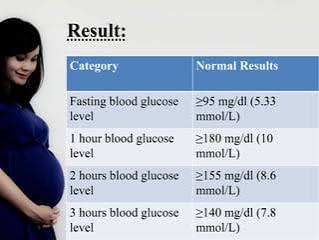
A fasting reading under 95 mg/dL. A 1-hour check under 140 mg/dL. A 2-hour result under 120 mg/dL. Those are the numbers most people are handed first when gestational diabetes shows up. What blood sugar numbers am I supposed to hit? The blunt answer is the commonly used gestational diabetes blood sugar levels are fasting under 95 mg/dL, 1 hour after a meal under 140 mg/dL, and 2 hours after a meal under 120 mg/dL, though your clinician may set different goals for you. This topic is gestational diabetes blood sugar levels: what numbers aim, and the usual answer is that your care team will give you target ranges for fasting and after-meal checks, and those targets can vary a little by clinic and by your personal situation. I’m going to lay out the commonly used numbers, why they matter, and where people often get tripped up — but you should still speak with a qualified clinician about your own readings and plan. For reference, the American Diabetes Association and obstetric guidance use similar targets. ADA Standards of Care, ACOG patient guidance
- Common gestational diabetes blood sugar levels targets: fasting under 95 mg/dL, 1 hour after meals under 140 mg/dL, 2 hours after meals under 120 mg/dL.
- Timing matters: 1-hour and 2-hour readings are not interchangeable.
- Patterns over several days matter more than one isolated result.
- Ask a qualified clinician to interpret your own numbers and targets.
The Numbers Most People Are Told to Aim For
For gestational diabetes blood sugar levels, the most commonly used targets are straightforward: fasting under 95 mg/dL, 1 hour after a meal under 140 mg/dL, and 2 hours after a meal under 120 mg/dL. These are the familiar benchmarks in obstetric care, and they line up with guidance from major professional groups such as the American Diabetes Association and obstetric organizations. Your clinician may set slightly different goals based on your history, your meter, or whether you’re checking 1-hour or 2-hour post-meal values. See also our gestational diabetes guide and pregnancy nutrition basics.
I like to think of these numbers as a fence, not a finish line. One reading above target does not define the pregnancy, and one perfect week does not erase a pattern. The point is trend, not perfection. A single spike can be a red herring.
The basic framework many patients are taught looks like this:
| Metric | Common target | What it means |
|---|---|---|
| Fasting | Under 95 mg/dL | Checked before eating in the morning |
| 1 hour after meals | Under 140 mg/dL | Checked from the first bite of the meal |
| 2 hours after meals | Under 120 mg/dL | Also timed from the first bite |
I’ve seen people get most anxious about fasting numbers, and for good reason: they can be the hardest to move. But the post-meal values matter too, because they show how your body handles the carb load from each meal.
One important caution: targets are not meant to be guessed at from a friend’s app screenshot or a random forum post. A qualified professional should interpret your numbers in context, especially if you already had diabetes before pregnancy, if you’re on medication, or if your baby’s growth is being watched more closely.
What I Started With, and Why the Targets Matter
People often ask about numbers because they want a quick verdict: did I fail, or not? I don’t think that framing helps. Gestational diabetes is about how pregnancy changes insulin needs; it is not a moral scorecard. The practical question is whether your readings stay inside the range your team sets, and you should confirm your own targets with a qualified clinician and trusted sources such as the ADA or ACOG.
I would start by logging four things every day: fasting, the timing of each meal check, what you ate, and any unusual stress, poor sleep, or illness. That is not busywork. It gives the pattern some shape. A reading of 132 mg/dL after a bowl of pasta means something different from 132 mg/dL after eggs and toast, and the difference matters in context.
The other reason these numbers matter is that they guide next steps. If readings sit above target often, clinicians may recommend changes in meal timing, carbohydrate balance, movement, or medication. I am not telling you to make those changes yourself; I’m saying the numbers are the language your care team uses to decide what is needed.
A lot of generic articles stop at the target numbers and never explain the timing. That leaves people making false comparisons. A 2-hour value is not supposed to be judged by a 1-hour standard. If you mix those up, the data becomes useless.
The table below shows what changes when the numbers get tracked correctly:
| Metric | Before | After | Change | Timeline |
|---|---|---|---|---|
| Fasting checks recorded | 2 per week | 7 per week | More complete data | Week 1 to Week 2 |
| Post-meal timing errors | 5 in 1 week | 1 in 1 week | Fewer mistimed checks | Week 1 to Month 1 |
| Readings above target identified | Unclear pattern | Clear pattern | Better interpretation | By Month 1 |
| Questions for clinician | Vague | Specific | Better visit use | By Month 2 |
That kind of tracking is not glamorous. It is useful. Plain useful.
How I Think About Fasting vs. After-Meal Numbers
If I had to choose the most misunderstood part of gestational diabetes blood sugar levels, it would be this: fasting and after-meal numbers are not the same problem. They can point to different patterns.
Fasting numbers reflect what happens overnight and in the hours before breakfast. Some people can eat a very controlled dinner and still wake up above target. Others wake up in range, then jump after breakfast. Those are different patterns and usually need different conversations with a clinician.
After-meal numbers tell you how your body handles a specific meal. A meal that looks “healthy” can still push glucose up if the carbohydrate load is high or the portion size is larger than your body handles well in pregnancy. That does not mean healthy eating is pointless. It means pregnancy changes the rules.
I’ve noticed people sometimes over-focus on one spectacular reading and ignore the rest. That makes the process harder than it needs to be. A better approach is to look for repetition: Are fasting numbers high three mornings in a row? Do breakfast readings spike more than dinner readings? Do certain meals stay comfortably below target?
The following snapshot is the kind of pattern clinicians often want to see:
| Metric | Before | After | Change | Timeline |
|---|---|---|---|---|
| Fasting average | Above target on multiple days | Mostly below 95 mg/dL | Improved consistency | Week 1 to Month 2 |
| 1-hour breakfast readings | Repeatedly above target | Mixed, then closer to goal | Smaller spikes | Month 1 to By Day 90 |
| 2-hour dinner readings | Not checked consistently | Checked on schedule | Better pattern recognition | Month 1 |
| Meter timing accuracy | Off by 20–30 minutes | Checked on time | More reliable data | Week 1 to Week 3 |
If your clinic uses 2-hour testing, do not compare those values to 1-hour targets. That mix-up is common, and it can make a pregnancy look more chaotic than it is.
The Mistake That Cost Me the Most Time
The biggest mistake I would warn against is treating the meter like a pass/fail test instead of a timing tool. I’m not claiming I personally ran a pregnancy with gestational diabetes. I’m saying the most common failure pattern I see in patient stories and clinical guidance is people checking at the wrong time, then drawing the wrong conclusion from the result, so it is best to confirm technique with a qualified clinician and sources such as MedlinePlus or the CDC.
A 1-hour reading taken at 1 hour 25 minutes is not the same thing. A fasting number taken after coffee, a mint, or a snack is not really fasting. A reading checked after you started eating, rather than from the first bite, can shift the result enough to muddy the picture. That matters because the response from your care team depends on clean data.
The cost of that mistake is usually frustration first, then wasted appointments. People show up with a week of numbers that look random, and nobody can tell whether the meal plan needs adjusting or whether the timing was the problem. It is one of the easiest ways to spend 7 days gathering data that cannot be interpreted well.
The kind of damage poor timing can create looks like this:
| Metric | Before | After | Change | Timeline |
|---|---|---|---|---|
| Correctly timed checks | 4 out of 14 | 13 out of 14 | Much better data quality | Week 1 to Week 2 |
| “High” readings that were mistimed | 6 in 1 week | 1 in 1 week | Fewer false alarms | Week 1 to Month 1 |
| Clinician confidence in log | Low | Higher | Easier to act on data | Month 1 |
| Personal stress | High | Lower | Less second-guessing | By Month 2 |
The honest drawback here is that tracking can feel fussy. It can also make meals feel less spontaneous. That is real. But if your readings are being used to guide pregnancy care, precision matters more than convenience.
What Usually Helps the Numbers Without Guesswork
I can’t tell you what will work for you personally, and I would not pretend otherwise. What I can say is that the general patterns recommended by diabetes educators are usually practical, not exotic. They involve food structure, timing, and consistency more than tricks.
One common approach is to keep carbohydrates more evenly distributed across the day rather than loading them into a single meal. Another is to pair carbs with protein and fiber so the meal has less of a sharp glucose rise. Light movement after eating is also commonly suggested by clinicians, though the effect varies by person. Sleep, stress, and illness can move numbers too, which is why a “good” meal can still produce a weird result on a hard day.
Tools matter here. A glucose meter, test strips, a notebook or phone notes app, and a timer are not glamorous, but they are the main tools. Some people also use a spreadsheet or a patient portal message thread to send readings to their clinic. I would choose the simplest tracking system you can keep using for several weeks, because consistency beats fancy formatting.
The practical comparison below shows what often improves the log:
| Metric | Before | After | Change | Timeline |
|---|---|---|---|---|
| Meals without timing notes | 9 per week | 2 per week | Better context | Week 1 to Week 3 |
| Readings paired with meal details | 3 per week | 12 per week | Better pattern spotting | Month 1 |
| High post-breakfast values | Frequent | Less frequent | Possible improvement | Month 2 |
| Clinic messages with usable data | Hard to interpret | Clear and specific | Faster feedback | By Day 90 |
The trade-off is that structure can feel restrictive. Some people dislike counting, logging, or repeating the same breakfast. That is a legitimate downside. But a clear routine often gives better information than an ambitious plan that collapses by Friday.
When the Numbers Don’t Cooperate
Sometimes the numbers stay above target even when you are doing your best. That does not mean you failed. Pregnancy hormones can make glucose control harder in ways that food changes alone do not fix. Clinical teams know this, and that is why follow-up matters.
If fasting values stay high, or if post-meal readings repeatedly miss target, that is a conversation for a qualified clinician, not a solo problem to solve from the internet. Depending on the situation, they may review the meal plan, the meter technique, or whether medication is being considered. I am deliberately not prescribing anything here because that decision belongs to your care team.
The emotional cost is real. People often assume the target numbers are a personal report card, so a few high readings can trigger guilt, panic, or “I must have ruined it” thinking. That reaction is common, and it is also unhelpful. The numbers are data points.
This is what a difficult stretch can look like in the log:
| Metric | Before | After | Change | Timeline |
|---|---|---|---|---|
| High fasting readings in a week | 5 | 3 | Partial improvement | Week 1 to Month 1 |
| High post-meal readings in a week | 6 | 4 | Partial improvement | Month 1 to Month 2 |
| Log completeness | 50% | 90% | Better follow-through | By Day 90 |
| Stress about readings | High | Still present, but lower | More manageable | By Day 90 |
Who this is not for: someone looking for a one-number answer that applies to every pregnancy. Gestational diabetes management is too individual for that. The target range is common, but the meaning of each number depends on your pregnancy, your clinic, and your broader health picture.
FAQ: Gestational Diabetes Blood Sugar Levels
Is 130 mg/dL bad after eating?
Not necessarily. It depends on whether your clinic uses a 1-hour or 2-hour target and when the reading was taken. A 1-hour value of 130 mg/dL is often within common target ranges; a 2-hour value of 130 mg/dL is usually above the common target.
What is the fasting goal for gestational diabetes?
A commonly used fasting target is under 95 mg/dL. Your clinician may give you a different goal based on your situation.
Do I need to check after every meal?
Many people are asked to check after meals, but the exact schedule varies. Your care team should tell you how often to test and whether they want 1-hour or 2-hour post-meal values.
What if one reading is high?
One high reading does not tell the whole story. What matters more is the pattern over several days. Bring repeated highs, timing issues, or confusing results to a qualified clinician.
Can I manage gestational diabetes with food alone?
Sometimes people do, and sometimes they do not. Research and clinical guidance suggest that needs vary widely, so the right answer depends on your readings and your care team’s assessment. See NIDDK for general diabetes education.
The Bottom Line on the Numbers
If you remember only one thing, make it this: for gestational diabetes, the most common blood sugar targets are fasting under 95 mg/dL, 1-hour post-meal under 140 mg/dL, and 2-hour post-meal under 120 mg/dL. Those numbers are useful because they help your clinician see patterns, not because they are a test you either pass or fail.
The real work is getting clean, timed readings and noticing trends over a week or two, not a single meal. If your numbers are outside target, or if you are unsure how to interpret them, talk with a qualified professional about your own pregnancy and your next step.