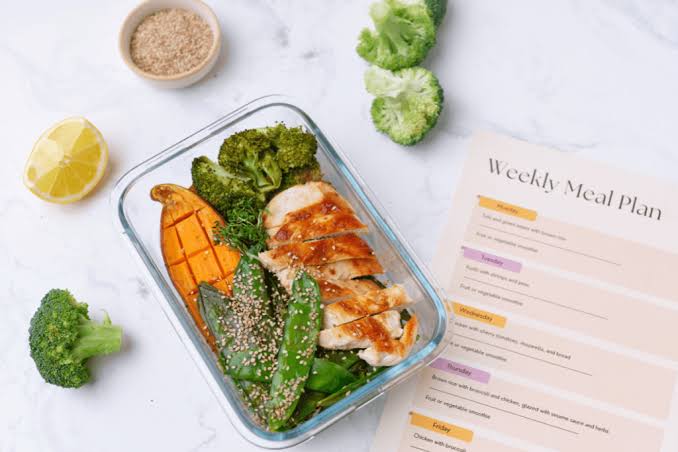
Last updated: August 11, 2026
- – The sample below uses 7 days, 3 meals a day, and 2 to 3 snacks a day.
- This gestational diabetes meal plan: 7-day sample get you started is a starting point.
- People often imagine there is one perfect gestational diabetes meal plan.
- That may sound unglamorous, but gestational diabetes management often rewards predictability.
Quick Answer: A gestational diabetes meal plan usually works best as a 7-day sample with 3 meals and 2 to 3 snacks per day, not as a rigid diet. This gestational diabetes meal plan: 7-day sample get you started is a starting point. Check your own targets with your OB, midwife, or a registered dietitian before you use it. I write about pregnancy nutrition because I help people make practical food decisions; I cannot tell you what your body will do.
Key Facts
– Gestational diabetes meal plans are usually built around regular meals, balanced snacks, and steadier carbohydrate intake.
– Many people see the biggest blood sugar rise after a large breakfast or a carb-heavy meal.
– The sample below uses 7 days, 3 meals a day, and 2 to 3 snacks a day.
– The American Diabetes Association and CDC both emphasize individualized meal planning in pregnancy.
– If your numbers stay high, the issue may be portion size, carb type, timing, or medication—not effort.
Start with the sample below. Not a prescription. I would use it as a template: regular meals, balanced snacks, protein at breakfast, and carbs chosen with more care than elimination. That approach lines up with guidance from the American Diabetes Association and the Centers for Disease Control and Prevention, which both emphasize individualized meal planning in diabetes and pregnancy care.
What a Gestational Diabetes Meal Plan Is Trying to Do
A useful gestational diabetes meal plan does one main thing: it spreads carbohydrates through the day in a steadier way. Why? Because many people see higher blood sugar after large carb-heavy meals, especially breakfast. It also aims to keep you satisfied enough that you are not white-knuckling hunger between meals.
This is not a “diet” in the punishment sense. More like food timing plus better pairings. A meal with carbohydrate, protein, fiber, and fat usually digests more slowly than one built mostly from refined starch or sugar. Clinical guidance suggests that this pattern can help with blood sugar management, though your response still depends on your own pregnancy, medications if any, activity level, and what your care team recommends.
People often imagine there is one perfect gestational diabetes meal plan. There isn’t. Some do better with three meals and three snacks. Others need a smaller breakfast and a larger evening meal. Fruit tolerance varies too. The sample below shows structure; it does not pin you to exact portions.
A few practical rules make this easier:
– Put protein at every meal and snack.
– Choose carbs that bring fiber with them when you can.
– Do not go long stretches without eating if your care team wants regular intake.
– Keep breakfast simple if morning readings tend to run high.
– Pair fruit with protein or fat instead of eating it alone.
If you use a glucose meter or continuous monitor, the value of a meal plan is the feedback loop. A meal is “working” if it fits your numbers and keeps you feeling okay. When it doesn’t, that is not a moral failure; it is data to bring to your clinician or dietitian. Honestly, that part is the whole point.
A 7-Day Gestational Diabetes Meal Plan to Get You Started
This 7-day sample is built around a common pattern: three meals and two to three snacks. I am intentionally keeping portions flexible because pregnancy needs vary, and no generic article can safely assign the same serving sizes to everyone. For broader meal-planning support, see our pregnancy nutrition guide and diabetes food basics.
Day 1
- Breakfast: Scrambled eggs with spinach, one slice whole-grain toast, and a small piece of fruit
- Snack: Plain Greek yogurt with a few berries
- Lunch: Turkey and avocado wrap on a whole-grain tortilla, cucumber slices
- Snack: Apple slices with peanut butter
- Dinner: Baked chicken, roasted vegetables, and a small portion of brown rice
Day 2
- Breakfast: Oatmeal made with milk or an unsweetened alternative, topped with walnuts and cinnamon
- Snack: Cheese with whole-grain crackers
- Lunch: Lentil soup with side salad
- Snack: Hard-boiled egg and cherry tomatoes
- Dinner: Salmon, steamed broccoli, and quinoa
Day 3
- Breakfast: Egg and vegetable omelet, one small whole-grain tortilla
- Snack: Cottage cheese with sliced cucumber
- Lunch: Chicken salad over greens with chickpeas
- Snack: Pear with a handful of nuts
- Dinner: Lean beef or tofu stir-fry with vegetables and a moderate serving of brown rice
Day 4
- Breakfast: Plain Greek yogurt parfait with chia seeds and berries
- Snack: Celery with hummus
- Lunch: Tuna salad on whole-grain bread, side salad
- Snack: Small orange and a few almonds
- Dinner: Turkey meatballs, zucchini noodles or pasta plus a side of vegetables
Day 5
- Breakfast: Veggie scramble and half an avocado
- Snack: Milk or a fortified unsweetened alternative with a small handful of nuts
- Lunch: Bean and chicken bowl with vegetables and a modest scoop of brown rice
- Snack: Cottage cheese with berries
- Dinner: Baked fish, green beans, and sweet potato
Day 6
- Breakfast: Overnight oats with chia seeds and peanut butter
- Snack: Cheese stick and bell pepper strips
- Lunch: Egg salad in a whole-grain wrap with lettuce and tomato
- Snack: Apple or pear paired with nut butter
- Dinner: Chicken chili with beans, side salad
Day 7
- Breakfast: Two eggs, sautéed mushrooms, and one slice whole-grain toast
- Snack: Yogurt and pumpkin seeds
- Lunch: Leftover chicken chili or a turkey sandwich on whole grain with vegetables
- Snack: Hummus with carrots
- Dinner: Roast chicken or tofu, cauliflower, and a small serving of roasted potatoes
Here is the point of the sample: each day includes protein, a produce item, and a carb source that is less likely to hit as fast as candy, juice, or white bread alone. It is also boring in a useful way. That may sound unglamorous, but gestational diabetes management often rewards predictability. Plain food, sharp results.
The weakness of any sample plan is obvious: you may dislike the foods, have nausea, deal with food aversions, keep kosher or halal, be vegetarian, or have trouble tolerating dairy. Those are not minor issues. When the plan makes you dread meals, it will not stick. Swap in foods you can actually eat and bring those changes to your clinician or dietitian so they can help you judge the blood sugar impact.
The Real Difference Between Balanced Meals and Carb Cutting
Balanced meals are usually the better default for gestational diabetes because they give you room to choose foods instead of treating carbs like an enemy, but you should confirm that approach with your clinician or a registered dietitian. They can help you decide what fits your pregnancy, your numbers, and any medications you are using. Clinical guidance from groups like the American Diabetes Association generally supports carbohydrate management, not extreme restriction.
Carb cutting does have one narrow advantage: some people see lower post-meal readings when they sharply reduce carbs. But that is where the trade-off begins. Cutting too far can make meals feel unsatisfying and may leave you reaching for anything available later. It can also make it harder to include the fiber, vitamins, and minerals that pregnancy diets usually need.
Think eggs with toast, yogurt with berries, chicken with rice and vegetables, or beans with salad and a small grain portion. Those meals are not “free food.” They are structured food. A structured plate can still be too carb-heavy, so portion size matters as much as food quality.
Where balanced meals lose is in the false comfort they can give. A plate can look balanced and still contain more carbohydrate than your body tolerates right now. That is why testing and follow-up matter. When your readings stay high, the issue may not be the concept of balance; it may be portion size, carb type, meal timing, or something your care team needs to adjust. That math stops working fast.
Gestational Diabetes Meal Plan: Who Should Actually Use This
This plan is best for someone who wants a workable template, not a rigid rulebook. It may fit if you are newly diagnosed, overwhelmed, and trying to stop guessing at meals, but you should still check the plan with your OB, midwife, or a registered dietitian. It also fits if you want to keep eating regular food instead of building your day around fear of carbs.
I would especially use this if:
– you need a basic structure for breakfast, lunch, dinner, and snacks
– you do better with repeated patterns
– you want meals that are family-friendly
– you need ideas you can adapt quickly at home or at work
It is not a good fit for someone who needs a highly individualized medical nutrition plan right away because of medication changes, severe nausea, vomiting, food insecurity, multiple gestation, or a history of disordered eating. In those situations, a generic sample can be too blunt. It may create stress instead of support, so professional guidance matters more than a template.
The real strength of this approach is that it gives you a stable starting point without pretending to be medical advice. You still need to watch how your own body responds. Some people do fine with oatmeal at breakfast; others do better with eggs and vegetables. Some can manage fruit as a snack; others need fruit only when paired.
The downside is that it can feel repetitive. That is normal. Repetition is not a flaw if it helps you maintain steadier blood sugar. Still, when monotony pushes you to abandon the plan, it has failed its job.
The Honest Side-by-Side
The choice here is not really “meal plan or no meal plan.” It is usually structured balanced eating versus looser intuitive eating with carb counting by intuition. Structured eating may reduce guesswork for many newly diagnosed readers, but you should review it with your care team before treating it as the right answer.
| Criteria | Structured balanced meal plan | Loose intuitive eating | Winner for this condition |
|---|---|---|---|
| Blood sugar predictability | Usually better because meals are planned around protein and carb timing | More variable from day to day | Structured plan |
| Ease for beginners | Clear starting point | Harder when you are newly diagnosed | Structured plan |
| Flexibility for cravings and aversions | Moderate; recipes can be swapped | High | Loose eating |
| Risk of under-eating | Lower if snacks are included | Can be higher if you avoid carbs without replacing them | Structured plan |
| Fit for nausea or strong food aversions | Sometimes awkward unless adapted | Can be easier to follow instinctively | Loose eating |
| Family meal compatibility | Usually good | Depends on habits already in the home | Structured plan |
| Need for daily decision-making | Lower | Higher | Structured plan |
| Chance of burnout | Medium if too repetitive | Medium to high if readings stay unpredictable | Depends on personality |
| Best use case | New diagnosis, need for routine, desire for steadier meals | Established habits, good self-monitoring, strong food flexibility | Structured plan for many readers |
Overall, if you are looking for your first week of direction, structure often beats improvisation. When you already know your meal patterns and they fit your readings, a rigid sample may be more than you need. To be fair, both can work.
The Specific Situations Where This Sample Wins
This sample plan is most useful in the early, messy stage after diagnosis. That is when people are usually asking, “What do I even eat now?” A seven-day outline answers that question fast. It also helps if you are the kind of person who cooks once and repeats meals, because repetition lowers the effort of decision-making.
Because of that, it is especially helpful when your schedule is unpredictable. A planned snack list can stop the long gaps that lead to overeating later. I would also use this if breakfast has been a problem, because many people find that starting the day with protein instead of a sweet carb load feels steadier.
The real strength is not that every meal is unique. It is that the meals are easy to assemble from ordinary groceries. Eggs, yogurt, vegetables, beans, fish, chicken, tofu, whole grains, nuts, fruit. Nothing exotic, nothing branded, nothing that assumes a perfect kitchen.
The drawback is that sample plans can create a fake sense of security. You may follow the day exactly and still see higher readings because your body responds differently. That is not failure; it is the signal that your plan needs personal adjustment.
Our Verdict: Which One to Choose and Why
Choose the structured balanced meal plan if you want a clear, low-stress starting point and you need help building meals that are more likely to support steadier blood sugar. Choose loose intuitive eating if you already know your patterns, your readings are stable, and your nausea, aversions, or schedule make structure frustrating rather than helpful. Neither if you are trying to manage gestational diabetes without clinician guidance at all, because this is a pregnancy condition that deserves individualized medical advice.
My recommendation is the structured sample for many readers who are newly diagnosed, but you should confirm that choice with your OB, midwife, or a registered dietitian. It gives you something concrete to do today, which is often the hardest part.
When to Reconsider This Choice Entirely
There are a few exception scenarios where you should stop treating a generic meal plan as the main answer and get professional advice.
- Your readings stay high despite reasonable meal choices. That may mean portions, carb timing, medication, or another factor needs adjustment.
- You cannot keep food down or you are losing weight. Nausea and vomiting need care, not just a different menu.
- You have a history of disordered eating. Structure can help, but it can also backfire if it becomes rigid.
- You are unsure what your care team wants from you. Ask for individualized targets before making the plan stricter.
If one of those applies, the best next step is not to force the sample harder. Use it as a discussion tool with your clinician or dietitian.