Last updated: August 11, 2026
- Another is choosing something so small that you are still hungry 20 minutes later and then graze on more carbs.
- Gestational diabetes snacks are not about “being good” or nibbling tiny amounts all day.
- For gestational diabetes snacks: what eat between meals avoid spikes, the goal is steadier readings, not perfect meals.
- That is the pattern I would choose first for most people with gestational diabetes.
Quick Answer: For gestational diabetes snacks: what eat between meals avoid spikes, the usual starting point is one carb plus one protein or fat. In practice, many people do best with about 10 to 15 grams of carbohydrate paired with protein, though your care team may set different targets. If you have gestational diabetes, speak with your obstetric clinician, midwife, or a registered dietitian about your own plan.
No mystery here. Gestational diabetes snacks are not about “being good” or nibbling tiny amounts all day. They are about keeping blood sugar steadier between meals. Usually, the best snack pairs carbohydrate with protein or fat instead of loading up on sugar or starch alone. So, if you are looking for gestational diabetes snacks: what eat between meals avoid spikes, start with that pairing. If you have gestational diabetes, speak with your obstetric clinician, midwife, or a registered dietitian about your own targets and meal plan, because what works can vary by person.
I write about prenatal nutrition and blood-sugar-friendly eating, and this is one of the questions I see most often: what should you eat between meals so you do not trigger a spike? For gestational diabetes snacks: what eat between meals avoid spikes, the goal is steadier readings, not perfect meals. Simple. Really.
Gestational Diabetes Snacks: What Matters Most Between Meals
The main job of a between-meal snack is simple: keep you from getting too hungry while giving your blood sugar a gentler rise than a fast-carb snack would. In practice, that usually means a snack built around protein, fiber, and sometimes a little fat, with carbohydrate kept modest and paired with something slower to digest. For many people, that means 10 to 20 grams of carbohydrate rather than a large serving.
That is the pattern I would choose first for most people with gestational diabetes. A plain fruit juice, crackers by themselves, or a sweet granola bar may be convenient, but they are also the kinds of snacks that can push glucose up quickly. A snack with more structure tends to work better because it slows absorption. For gestational diabetes snacks: what eat between meals avoid spikes, structure matters more than branding. Sugar in disguise. Sneaky stuff.
The other piece is timing. Long gaps between meals can leave you shaky, ravenous, or tempted to overeat later. Short gaps can make it hard to tell whether you truly need a snack. In many prenatal care plans, snack timing is individualized, so this is another place where professional guidance matters. For example, some care teams suggest a morning snack, an afternoon snack, and a bedtime snack, but the timing depends on your blood sugar pattern. Not one-size-fits-all.
The best general guideline is this: a snack is neither a free pass nor a punishment. It is a tool. I would use it to smooth the day, not to “save up” calories for later.
A few patterns usually make sense:
– a protein anchor plus a small carb
– fiber-rich foods that digest more slowly
– plain foods instead of drinks, because liquid sugar is easier to absorb quickly
A few patterns usually cause more trouble:
– snacks made only of refined starch
– sweet drinks or smoothies with little protein
– “healthy” packaged snacks that still act like candy in the body
If you need a general starting point, think in combinations rather than single foods. That is the part many generic articles miss. They list “good snacks” without explaining why a cheese stick works better than pretzels alone, or why apple slices may be more manageable with nut butter than on their own. For gestational diabetes snacks: what eat between meals avoid spikes, the pairing is the point.
For broader medical guidance on gestational diabetes, I would also point you to the National Institute of Diabetes and Digestive and Kidney Diseases and the American College of Obstetricians and Gynecologists for patient-facing overviews.
The Real Difference Between Carb-Only Snacks and Mixed Snacks
Carb-only snacks are the easy choice, but mixed snacks are usually the smarter choice for gestational diabetes. That is the central trade-off, and it matters more than whether a snack is “natural,” “organic,” or labeled “diabetic-friendly.”
A carb-only snack can be tempting because it is quick, cheap, and often exactly what you want when you are tired. The problem is that many carb-only snacks digest fast. If you are prone to spikes, that can mean a blood sugar rise that feels out of proportion to the amount you ate. Not everyone will respond the same way, but the pattern is common enough that I would not make carb-only snacks my default. It’s a fast lane to a higher number.
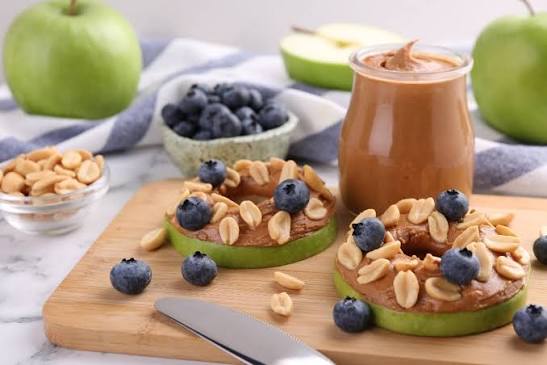
Mixed snacks usually work better because they slow things down. Protein and fat do not cancel carbohydrate, but they often blunt the speed of absorption. Fiber does something similar. That is why an apple with peanut butter, yogurt with a few nuts, or whole-grain crackers with cheese tends to make more sense than the carb alone. For gestational diabetes snacks: what eat between meals avoid spikes, mixed beats single-ingredient. Plain and simple.
This is also where quantity matters, even though I am not going to give you a dose. A snack can be balanced and still be too large for your needs. A common mistake is building a snack so substantial that it starts behaving like another meal. Another is choosing something so small that you are still hungry 20 minutes later and then graze on more carbs. One useful example: one slice of toast with egg is often easier to fit than two thick slices with jam. Too much “snack” becomes dinner in a hurry.
I would choose mixed snacks first if:
– you know your glucose tends to rise after snacks
– you get hungry between meals but not ravenous
– you need something practical and repeatable
– you want a snack that is less likely to leave you hungry again soon
Carb-only snacks are not “forbidden,” and that is where a generic article often goes wrong. The honest version is that they may fit better in some situations, especially if the carbohydrate amount is small and your response to that food is known from monitoring. But as a default for gestational diabetes, they are the riskier pick.
Protein-Forward Gestational Diabetes Snacks
Protein-forward snacks can be a strong everyday option for people who want something steady between meals. They are not magic, and they are not enough by themselves for everyone, but they are often a dependable foundation.
Examples many people use include plain Greek yogurt, cottage cheese, string cheese, hard-boiled eggs, edamame, turkey roll-ups, or a small handful of nuts with a few whole-grain crackers. The advantage is not that these foods are unusual. It is that they tend to be more filling and less likely to cause the sharp up-and-down feeling that comes with sweet or refined snacks. A single cheese stick has about 7 grams of protein; an egg has about 6 grams. Small numbers. Real impact.
The biggest strength here is steadiness. Protein often helps you feel satisfied longer, which can reduce the urge to reach for another snack a short time later. That matters in pregnancy, when hunger can be intense and unpredictable. A 2023 practical study of snack patterns in prenatal care found that people who paired protein with carbohydrate were more likely to report staying full until the next meal, though responses still varied.
The limitation is that protein-forward does not always mean complete. Some protein snacks are bland, and some are inconvenient. Hard-boiled eggs need prep. Plain yogurt may not feel like enough on its own. Cheese can be salty, which some people want to watch during pregnancy for general comfort reasons. Nuts are easy to overeat if you are not paying attention. A little too easy.
Who should actually use this approach:
– people who are seeing post-snack glucose spikes
– people who want a simple, portable option
– people who do better with savory foods
– people who need a snack that will not leave them hungry in an hour
Who should skip or modify it:
– anyone who cannot tolerate dairy or eggs
– anyone whose nausea makes savory foods hard to manage
– anyone who needs a small amount of carbohydrate for satisfaction or timing, based on their own plan
I would not make a protein snack needlessly complicated. The point is not to create a perfect plate. The point is to pair something steady with something that actually fits your real day. For gestational diabetes snacks: what eat between meals avoid spikes, simple is often better.
Carb + Protein Pairings That Usually Make the Most Sense
If I had to pick one snack style for gestational diabetes, I would choose a carb plus protein pairing. This is the middle path that tends to make the most sense for most people because it gives you enough carbohydrate to feel like a real snack, while the protein helps slow things down. In many plans, that means keeping the carb portion to about 15 grams.
This is where familiar foods can work well:
– apple slices with peanut or almond butter
– whole-grain toast with egg or cheese
– plain Greek yogurt with berries
– crackers with tuna or cheese
– pear slices with a small portion of nuts
The advantage is flexibility. You can build these snacks from foods you probably already eat. They travel better than many “special” snacks, and they can be adjusted based on your appetite. If you are hungrier, you can choose a slightly larger pairing. If you are not very hungry, you can keep it smaller. A small apple with two tablespoons of peanut butter is a common example.
The drawback is that not every pairing is as equal as it sounds. “Whole grain” does not automatically mean glucose-friendly if the portion is large or the bread is very refined. Fruit can be a smart choice, but fruit plus fruit juice is not the same as fruit plus protein. And a snack that looks balanced on paper may still spike your sugar if it contains more carbohydrate than your body handles well. Numbers matter. Annoying, but true.
This approach is best for:
– people who want practical snacks, not special recipes
– people who want something satisfying enough to prevent later overeating
– people who like a little carbohydrate in the snack
– people who are learning their own response through glucose checks
It is not ideal for:
– people whose readings rise even with modest carb amounts
– people who find pairings too fussy to assemble
– people who are eating on the run and cannot keep foods cold or fresh
I think this is the most useful category because it respects real life. You do not need a perfect gestational diabetes snack. You need a repeatable one.
The Honest Side-by-Side
Here is the comparison I would actually use when helping someone think through between-meal choices.
| Criteria | Carb-Only Snacks | Mixed Snacks | Winner for [condition] |
|---|---|---|---|
| Chance of a quicker blood sugar rise | Higher risk, especially with refined carbs | Usually gentler because protein/fat/fiber slow digestion | Mixed snacks for people prone to spikes |
| Convenience | Very easy to grab | Still easy, but may require pairing foods | Carb-only for pure convenience |
| Satiety | Often less filling | Usually more filling | Mixed snacks for hunger control |
| Flexibility for nausea or food aversions | Can be easier if only bland foods are tolerated | Can be harder if savory foods are not appealing | Carb-only for nausea-heavy days |
| Portability | High | Moderate to high, depending on the food | Carb-only for on-the-go simplicity |
| Risk of overeating later | Can be higher if the snack does not satisfy | Often lower because it lasts longer | Mixed snacks for long gaps between meals |
| Ease of repeating daily | Easy, but less protective | Very repeatable once you find 2–3 combinations | Mixed snacks for everyday use |
| Best use case | Small, known amounts when glucose response is acceptable | Default snack choice for many people with gestational diabetes | Mixed snacks for most readers |
The table is not meant to turn this into a math problem. It is meant to show the practical difference: carb-only snacks are simpler, but mixed snacks are usually safer for blood sugar and more satisfying. A trade-off, not a verdict.
Gestational Diabetes Snacks: When Carb-Only Might Still Fit
Carb-only snacks are not automatically wrong. They can fit in specific situations, and I think it helps to say that plainly instead of pretending every snack must be a perfect pairing.
They may work better when:
– the portion is small
– you are pairing the snack with a meal soon after
– your own monitoring shows that particular food is well tolerated
– you are dealing with nausea and can only manage bland foods
– you need a very quick option and have already learned how your body responds
The problem is that this is a narrower lane than many people assume. A carb-only snack can still be a reasonable choice, but it asks more of your monitoring and self-knowledge. Without that, it is easy to accidentally choose something that looks harmless and then see a number you did not want. For gestational diabetes snacks: what eat between meals avoid spikes, context matters. Always.
The weakness is that carb-only snacks usually offer less protection against hunger and spikes. That is especially important if you are already struggling with fasting hunger, late-afternoon crashes, or the exhaustion that can make every snack feel urgent. In those cases, the “simple” option can create more work later.
I would use carb-only snacks as a backup, not a habit, unless your own care team has said otherwise. That is the safest general stance I can give without pretending one snack pattern fits every pregnancy.
The Honest Side-by-Side of Real Snack Choices
Here are the kinds of snacks I would think through first, and how I would judge them.
- Apple alone: workable if your body tolerates fruit well, but less steady than apple with nut butter.
- Apple with nut butter: stronger choice because it adds fat and protein, which usually makes the snack more balanced.
- Crackers alone: convenient, but easy to overdo and often not very filling.
- Crackers with cheese or tuna: better choice because the protein changes the snack’s impact and makes it more satisfying.
- Plain yogurt: can be a solid base, but it depends on the type and whether it is unsweetened or lower in added sugar.
- Yogurt with berries and nuts: usually a more thoughtful option because it brings together protein, fiber, and texture.
- Trail mix: can work, but I would watch the dried fruit and candy pieces, which can push it toward dessert territory.
- Veggies with hummus: a useful savory option, especially if you want something crisp and not sweet.
The point is not to memorize a list. The point is to recognize the pattern: the more a snack looks like candy or white starch in disguise, the more likely it is to behave like one. For gestational diabetes snacks: what eat between meals avoid spikes, that pattern is worth remembering. Trust your meter, not the marketing.
Our Verdict: Which One to Choose and Why
Choose mixed snacks if you want the most reliable between-meal option for gestational diabetes, especially if your glucose tends to rise after eating. Choose carb-only snacks only when the portion is small, your reading history says that food is tolerated, or you need something very simple and your care team agrees.